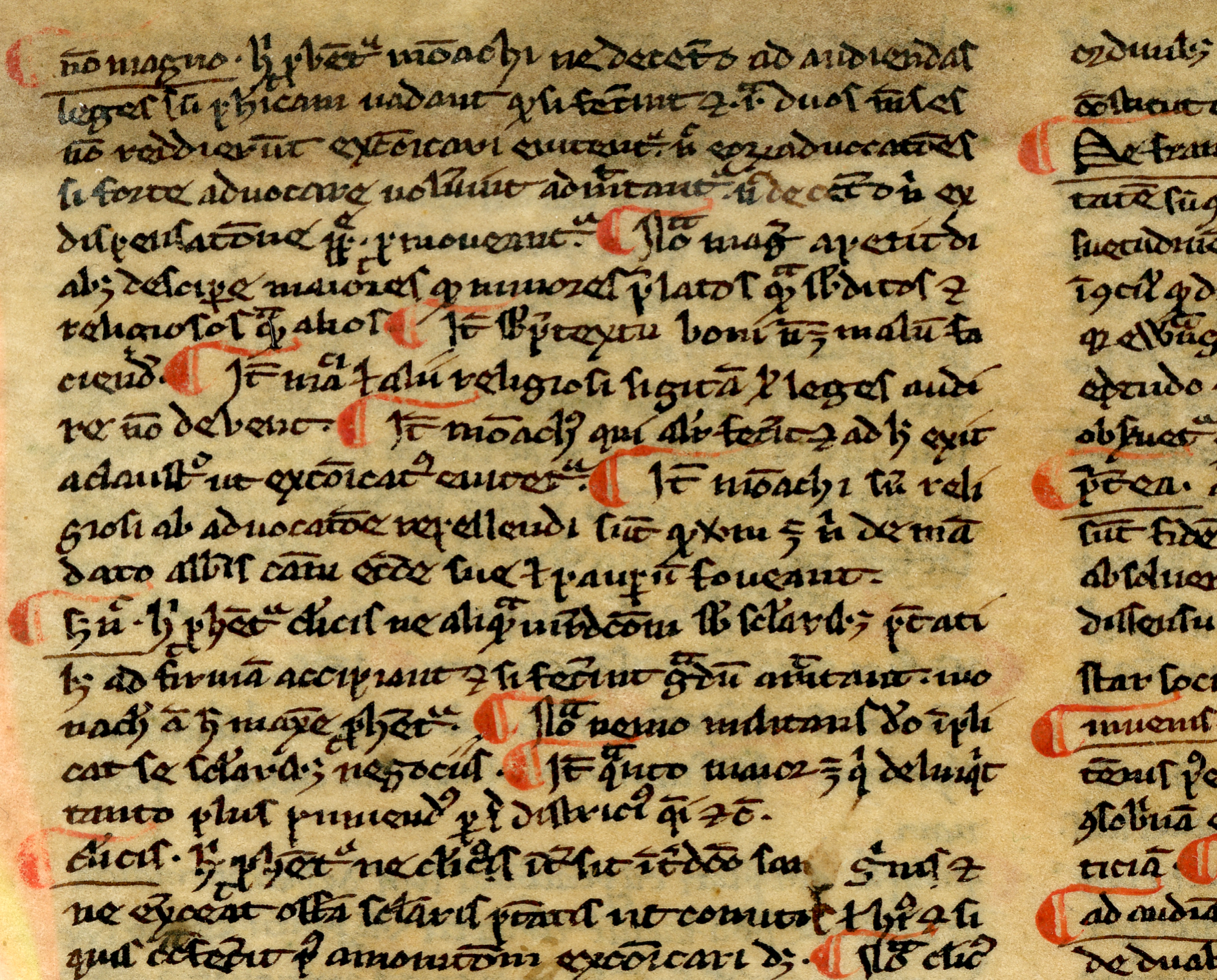
I hope everyone has enjoyed the mini break we’ve had, whether you got to soak up the sun in a warmer destination or if you were more like me and stuck in the snow with school work, either way I hope everyone is feeling slightly more relaxed after a week off. The readings this week were like a breath of fresh air for me; I am not a technical person, and the previous readings we’ve had have been on the “techy” side and I’ve found them difficult to read. This week’s readings, however, perfectly ties in to our final project that the class has been working on. Kathy Fox’s The Design Brief focuses on giving the reader on what to do and what not to do when beginning a large project. It offers the idea of what exactly to do, before the project even really begins, meaning “all the people involved with the project come together before the project goes outside the institution and decide the organizational ambitions of the project, along with its values and ethos”. The Design Brief will be the structure for our brainstorming in class Monday. The other readings are focused mainly on public history; which is more or less engaging the public with history, such as explained in Public History and Liberal Learning: Making the Case for the Undergraduate Practicum Experience by Elizabeth Belanger where she has her students engage directly with a community and their history. Andrew Dunning’s review of Jeffrey DeWitt’s on-running project for transcribing Petrus Plaoul Sentences and making them more widely accessible is very relatable to what our class did last semester with transcribing some of Carleton’s medieval manuscripts (not to his remarkable scale though). The work the Harry Ransom Center has done with attempting to transcribe or identify partial manuscripts was quite wonderful and relevant to our whole course – most of the manuscripts we worked on were only fragments.
Here are some questions to ponder over this weekend before our class:
- Do you think the Design Brief will help us with our project? Why or why not?
- What do you think are the strengths/weaknesses of a physical exhibit? An online exhibit?
- What are some of the obstacles of publishing work online to be seen and commented on? (see Andrew Dunning’s review and the work done by the Harry Ransom Center)
Enjoy the last two days of reading week!
Ian Kerr
Seminar leader blog post #2
Hello everyone! I hope your reading week went well and was thoroughly enjoyable/ productive. I thoroughly agree with Lynsay in that the readings assigned for this week were much easier to read and comprehend than the more technical readings given in the last several weeks. I’m actually quite glad I got this weeks topic of online exhibit design as I found although I did quite well overall co leading the IFF and Miridor seminar at the beginning of the month, I found I was slightly hampered by the overall technical nature of the readings, whereas this topic is much more grounded and easily relatable to both the course as a whole as well as the final project we are currently working on.
I thoroughly enjoyed this weeks reading as I found that each reading provided a better insight into one particular area of our final project and how to go about managing it. For example I found that the first reading “Kathy Fox, The design brief : setting a project up for success.” is a very useful reference point for the exhibit team as it discusses the realities of a project, and the contrast between the vision, and the boundaries of the project (teaches one to be realistic). It also provides examples of real life exhibits and some of the insights and struggles the team went through in order to design the exhibit. I found this reading got me to consider our project in more of an overarching light, as I thought about what our goals are in displaying our exhibit, and what some of the boundaries where, and problems that arose/might be. I would recommend team leaders give it a read over as I found it was very useful in picturing the entire project as a whole, and imaging what we want to accomplish without getting bogged down in to many details.
The second reading “Crowdsourcing the Arcane: Utilizing Flickr (and Google) to Describe Medieval Manuscript Fragments” would (I imagine) be a very useful reference point for the social media team. While the blog itself was very neat in describing the process and historical practice of reusing old manuscripts to make new historical sources, it also reinforced the reach of social media in how the author posted these images online in order to get responses from other academics on what the fragment might possibly be. More importantly for our project however, the second reading perhaps gives some ideas to our social media team in how they can use these platforms such as Instagram, twitter and so on in unique ways to advertise our upcoming exhibit. For instance, it gives examples of sites technical limitations as well as some helpful tips to generate views and interest, the one that pops out the most to me was using a universal picture or sign for out exhibit social media accounts so that everything is uniform and people know that all these various accounts are posting about the same event.
The third reading “Andrew Dunning review’s Jeffrey deWitt’s Petrus Plaoul. Commentarius in libros Sententiarum: Editiones electronicas.” discusses the difficulties in accessing manuscript editions with critical historical commentary and the attempt to put together a coherent history of the manuscript and all of its subsequent editions and commentaries. While this reading was super intriguing, I honestly had a hard time coming up with connections to our project and such. If I were to try and attempt to connect the two although it may be a bit of a stretch I would say this reading also relates back to our social media website design team as it demonstrates the importance of having everything available online and easily accessible uniform space so that other institutions and interested parties have access to said information whenever they desire.
The fourth reading “Archives, Undergraduates, and Inquiry-Based Learning: Case Studies from Yale University Library” is much more related to our group project and our class in general. It discusses students working on a an exhibit project very much like ours and how they gained practical curator skills working with the primary sources in their Archives research collection as well as learning many practical curator skills that will help them in their future history careers. This reading made me reflect upon all of the skills and abilities I have subsequently acquired throughout the first semester of our course in my attempt to understand my and transcribe my medieval manuscript. It’s just neat to think that now in the second semester I am using all of the skills I have acquired to actually assemble a practical historical exhibit to demonstrate the rest of Carleton all of the neat things we have learned that will undoubtedly help us in our
future historical careers.
Fifthly and finally, Elizabeth Belanger, “Public History and Liberal Learning: Making the Case for the Undergraduate Practicum Experience,” is also quite useful as it outlines the practical and career building skills one will acquire by working in a group project. The article explains that by going through and attempting to build such a project we are learning how to deal with both success and failure which is providing us with many useful skills and abilities that will help us in our future history careers.
All in all, I really enjoyed how this week’s readings all related back to our course or final project in some way or another. Some questions to consider for this upcoming seminar are:
1. How does a final project like this one help us prepare for our future careers? What practical skills does it provide us with?
2. How could the design brief get us to think about our project? What are some possible limitations/ boundaries that have us rethink the vison/ scope/goal of our project? And how have we overcome said boundaries?
3. How can we use the tips given in the blog post to maximize our social media presence and make sure everyone’s on the same page? (for example a uniform symbol across all social media accounts to promote uniformity
4. What practical skills, abilities has this course provided an s whole? Analytical, research, practical so on.
5. The final reading assigned for this week has a short passage where the students on the exhibit project discuss what story they are trying to tell with their exhibit, and how certain voices (perspectives) tend to get included with others get excluded. What story are we trying to tell with our exhibit? Whose voices are naturally being included and others excluded? And how can this idea relate back to our project as a whole.